
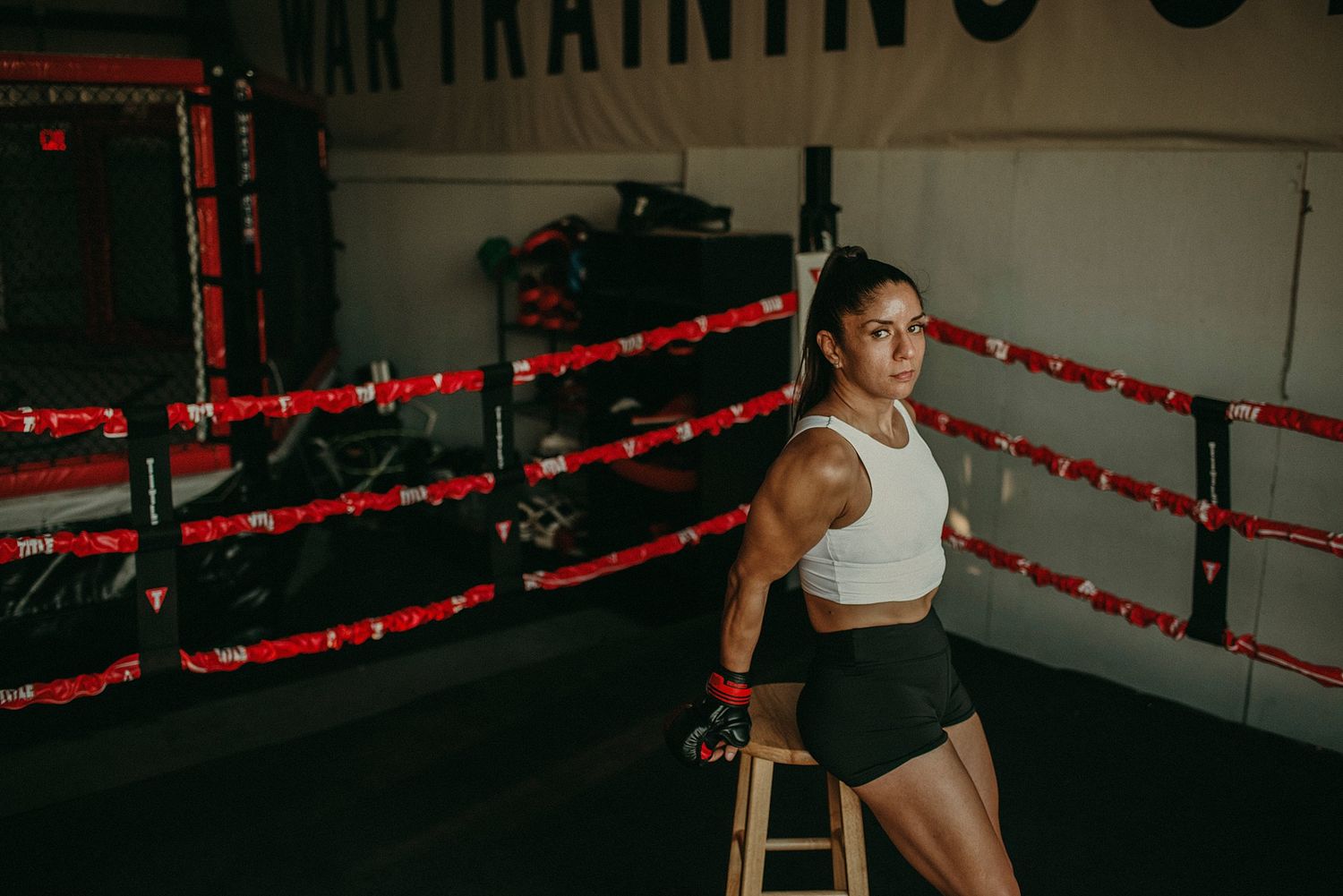
1. Understanding the Fighter’s Story
Before I even pick up my camera, I spend time learning about the person I’m photographing. Are they a beginner just starting their MMA journey? A seasoned coach? A kid stepping onto the mat for the first time? Knowing their background helps me approach the shoot with intention. Every fighter brings a different energy, and I want the final image to reflect that.
If you're booking a session with me, I’ll usually ask a few questions ahead of time — not just about logistics, but about what this moment means to you.
2. Scouting the Gym
I shoot inside gyms because they tell part of the story. The scuffed mats, worn bags, and sweat-covered floors speak volumes. Before the session, I either visit or ask for a walkthrough video/photo of the space.
I look for:
The strongest natural light sources
Clean backgrounds or gritty textures that can frame the subject
Areas with depth (like open mats or cages)
Lighting is everything — and in gyms, it's always changing. I bring minimal gear so I can move quickly and adapt on the fly.
3. Preparing My Gear
I keep things lightweight and mobile:
- Two camera bodies (just in case)
- Prime lenses (I lean on an 35mm for portraits as well as environmental shots). Gyms are usually tight spaces, and this lens helps me to capture a lot in a small space while keeping the focus on my subject with a small aperture.
- A step stool to vary my angles (especially helpful with kids or shorter fighters)
- Shot list (not definite but something to job my brain if needed- I usually disregard the list for side quests. ha.)
- SD cards (my camera also shoots on a backup SD card)
- 2 fully charged camera batteries
- Water, snack, and I can't forget some chewing gum
Everything is packed the night before so I can walk in and focus fully on the subject.
4. Earning Trust and Breaking the Ice
Whether I’m working with a 6-year-old or a grown fighter, my first goal is to make them feel at ease. These aren’t stiff school photos — they’re meant to capture presence. We talk, move around the gym, maybe even hit pads for a minute just to shake off nerves.
With kids, I use creative direction and play. With adults, I pay attention to their posture and energy, adjusting the pace to match what they need.
The best shots usually happen when the fighter forgets the camera is there.
5. Creating the Mood
Once we’re warmed up, I shoot fast. I direct clearly, but minimally, so expressions stay natural. I’ll often say things like:
“Stand like you do after a round — not perfect, just present.”
“Think about who you're fighting for.”
That subtle emotional shift changes everything. The light hits different when the subject’s fully there.
6. Wrapping Up with Care
After the session, I always thank the fighter and their coach (if present). I make sure they know what to expect next — from proof galleries to final delivery. This isn’t just about photos; it’s about honoring the time and effort they’ve given.